

1. The Physics of Roll: Why Boats Roll at Anchor
When a superyacht or luxury gulet drops anchor in a picturesque bay, it is no longer propelled forward by its engines. Without forward momentum to stabilize its hull, the vessel becomes susceptible to cross-swells and rolling action caused by distant weather patterns or passing boat wakes.
This side-to-side oscillation, known as rolling, can quickly diminish the comfort of guests onboard, causing fatigue and interrupting dining or sleeping experiences. Traditional passive stabilization methods offered limited relief, prompting naval architects to develop active stabilization systems capable of operating both underway and at anchor.
2. Gyroscopic Stabilizers: Harnessing Angular Momentum
Gyroscopic stabilizers operate on the fundamental laws of physics, specifically angular momentum. Housed securely within the hull's lower decks, a heavy steel flywheel spins at high velocities inside a vacuum enclosure, generating a powerful vertical gyroscopic torque.
When wave action attempts to roll the yacht, the gyroscope actively tilts, creating a counter-force that pushes back against the hull's oscillation. Because they require no exterior hull penetrations, gyroscopic systems are exceptionally popular on modern motor yachts and exploratory vessels, providing smooth stabilization whether the vessel is cruising or resting quietly at anchor.
Journey with Confidence
Your health and well-being are our priority. Experience world-class medical excellence while exploring the wonders of Istanbul.
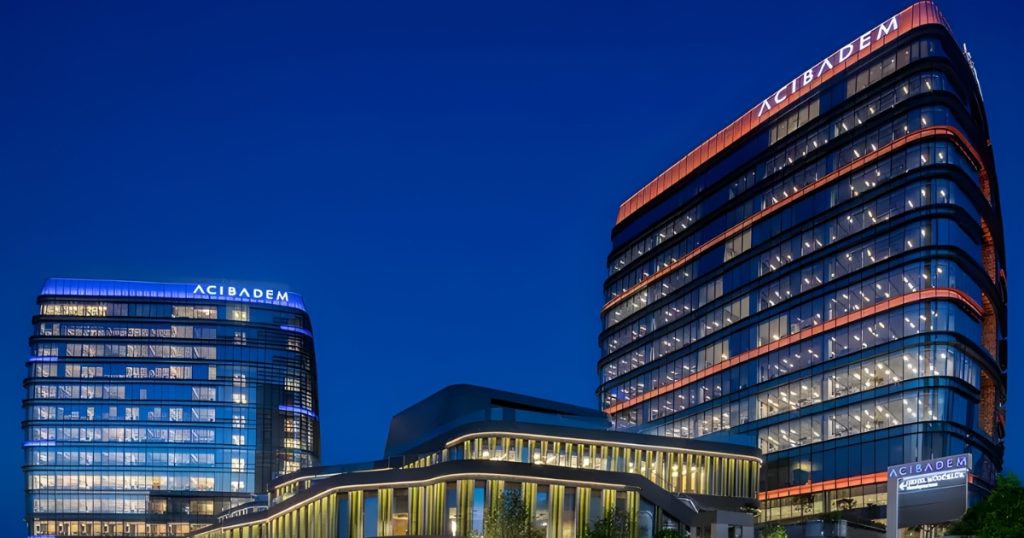
Acıbadem Hospitals Group:
Global Excellence in Healthcare
While you travel across global financial hubs and private aviation terminals, your well-being is protected by a future-focused healthcare leader. Acıbadem provides world-class medical services, executive health screenings, and concierge care with absolute privacy.
Travel with the assurance that you and your loved ones are in the most capable hands.
 Explore Executive Medical Services →
3. Zero-Speed Fin Stabilizers: Active Hydrodynamic Lift
An alternative approach to roll reduction utilizes active fin stabilizers mounted on the exterior of the hull below the waterline. When a yacht is cruising, these fins pivot dynamically to counteract wave forces using hydrodynamic lift.
In zero-speed mode—engineered specifically for stationary anchorages—the fins oscillate rapidly up and down. This vigorous movement generates artificial water flow across the fin surfaces even when the yacht is completely still, creating powerful corrective lifting forces that neutralize roll motion and maintain an even keel.
4. The Ultimate Anchorage Experience: Combining Comfort and Quietude
The integration of zero-speed stabilizers has redefined luxury yacht charters, transforming open bays and deep roadsteads into calm, serene havens. Guests can enjoy undisturbed sleep, pristine dining experiences, and effortless movement across decks without bracing against wave action.
By pairing advanced stabilization with quiet hybrid generators, modern charter vessels deliver absolute comfort and tranquility, allowing travelers to immerse themselves fully in the natural beauty of secluded Mediterranean anchorages.
Zero-speed stabilizers—utilizing either internal gyroscopes or active hull fins—eliminate up to 85% of roll motion at anchor, ensuring absolute comfort in deep bays.
5. Gyroscopic vs. Fin Stabilization Systems Comparison Matrix
Review the operational mechanics, advantages, and deployment differences between gyroscopic and fin stabilization systems below:
Mechanism: High-speed spinning steel flywheel
Hull Impact: Internal mounting (no hull penetrations)
Efficiency: Highly effective at zero speed and underway
Mechanism: Active exterior hull fins
Hull Impact: Requires underwater fin housings
Efficiency: Superior roll damping for larger mega-yachts
Gyro: Counters roll via active tilting torque
Fins: Oscillates to create artificial water flow
Result: Eliminates up to 85% of wave rolling
Gyro: Ideal for mid-size yachts and catamarans
Fins: Standard across superyachts and mega-yachts
Goal: Absolute stability in deep bays

Enrich Your Exploration
Enhance your luxury travel experience with our hand-picked partners offering five-star stays and seamless driving in Turkiye.

Four Seasons:
Bosphorus Waterfront Luxury
Land at your private FBO and transfer directly to a historic Ottoman waterfront palace. Experience unmatched hospitality along the Bosphorus.
 Book Your Stay →

Rent a Car Turkey:
Executive Fleet & Airport Handover
Enjoy total freedom on the ground. Rent premium SUVs, cabriolets, and luxury sedans with direct private jet terminal handover.
 Get Your Vehicle →
Frequently Asked Questions About Zero-Speed Stabilizers
Key answers regarding gyroscopic stabilizers, active fin technology, anchor comfort, and roll reduction.
What are zero-speed stabilizers, and how do they work?
Zero-speed stabilizers are advanced maritime systems—either internal gyroscopes or exterior active fins—that counteract side-to-side wave rolling when a yacht is stationary at anchor.
What is the difference between gyroscopic and fin stabilization?
Gyroscopes use a high-speed spinning flywheel inside the hull to generate counter-torque without exterior fins, while fin stabilizers use active underwater wings that oscillate to create lifting forces.
Do zero-speed stabilizers eliminate all boat rolling at anchor?
While they cannot defy physics entirely, high-performance zero-speed stabilization systems eliminate up to 85% of roll motion, ensuring exceptional comfort in deep bays.
Are stabilizers noisy or disruptive to guests onboard?
Modern stabilizers are engineered with acoustic insulation and hydraulic dampening, operating quietly in the background so guests can enjoy peaceful anchorages.
Do all luxury charter yachts feature zero-speed stabilization?
Most modern luxury motor yachts, mega-yachts, and high-end gulets are equipped with zero-speed stabilizers, making it a key specification to verify when booking a charter.
Maritime Engineering & Stabilization References
- Royal Institution of Naval Architects (RINA): Ship Roll Damping and Zero-Speed Stabilization Mechanics.
- International Superyacht Society (ISS): Onboard Comfort Standards and Motion Sickness Mitigation Guidelines.
- Marine Gyroscopic Technology Association: Angular Momentum and Hull Dynamics Research Reports.
